
Introduction
A blood pressure monitor is an important device for checking your health at home. Many people use it to keep track of their blood pressure regularly. High blood pressure can lead to serious health problems if it is not controlled. That is why doctors often recommend checking blood pressure at home.
Today, there are many blood pressure monitors available in the market. Some are simple and easy to use, while others come with smart features. Choosing the best blood pressure monitor can help you get accurate readings and manage your health better.
This guide will explain everything in simple words so you can easily choose the right monitor for yourself or your family.
What Is a Blood Pressure Monitor?
A blood pressure monitor is a machine that measures the pressure of blood inside your arteries. It usually shows two numbers:
- Systolic pressure – the top number
- Diastolic pressure – the bottom number
For example:
120/80 mmHg
This reading is considered normal for many adults.
A blood pressure monitor helps people:
- Track daily blood pressure
- Monitor health conditions
- Share readings with doctors
- Detect high blood pressure early
Why Checking Blood Pressure at Home Is Important
Checking blood pressure at home is very useful because it gives regular updates about your health. Sometimes blood pressure changes during stress, exercise, or illness.
Home monitoring can help:
- Detect hypertension early
- Reduce doctor visits
- Monitor medicine results
- Improve heart health awareness
Many doctors recommend home monitors because they provide more regular readings than occasional clinic visits.
Types of Blood Pressure Monitors
There are different types of blood pressure monitors available today.
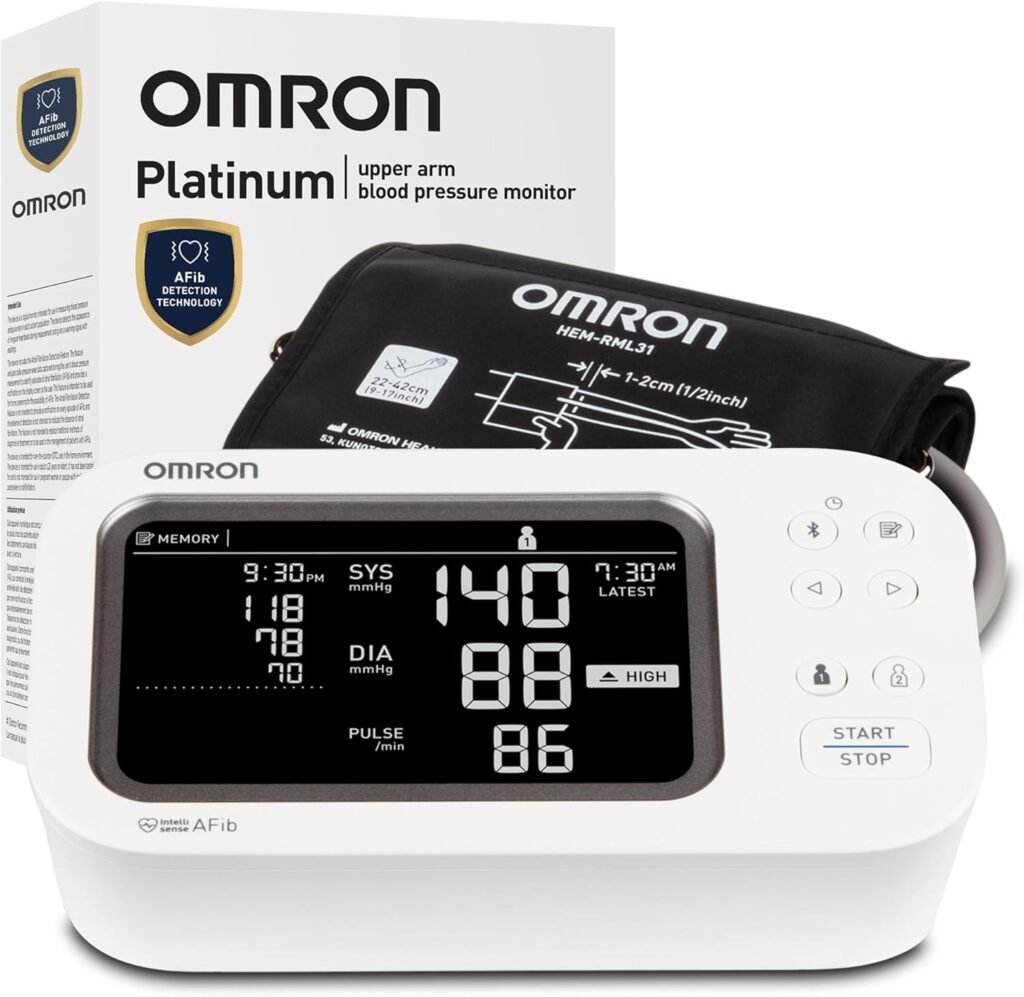
1. Upper Arm Blood Pressure Monitor
This is the most popular and accurate type. The cuff wraps around the upper arm.
Benefits:
- Easy to use
- More accurate
- Recommended by doctors
Best for:
- Home use
- Older adults
- Regular monitoring
2. Wrist Blood Pressure Monitor
This type is worn on the wrist instead of the arm.
Benefits:
- Small and portable
- Good for travel
Disadvantages:
- Less accurate sometimes
- Hand position affects results
Best for:
- Travelers
- People needing a compact device
3. Manual Blood Pressure Monitor
This type is commonly used by medical professionals. It requires a stethoscope.
Benefits:
- Highly accurate when used correctly
Disadvantages:
- Difficult for beginners
- Requires training
Best for:
- Doctors and nurses
Features to Look for in the Best Blood Pressure Monitor
When buying a blood pressure monitor, you should look for useful features.
Accuracy
Accuracy is the most important thing. A monitor should provide reliable readings every time.
Choose monitors that are:
- Clinically tested
- Doctor recommended
- Trusted by users
Easy-to-Read Display
A large screen makes it easier to read numbers, especially for older adults.
Good displays include:
- Large digits
- Bright screen
- Clear symbols
Comfortable Cuff
The cuff should fit your arm properly. A loose or tight cuff can give incorrect readings.
Some monitors come with adjustable cuffs for different arm sizes.
Memory Storage
Many modern monitors save previous readings automatically.
This helps users:
- Compare results
- Track improvements
- Share history with doctors
Smart Features
Some blood pressure monitors connect with mobile apps using Bluetooth.
Smart features may include:
- Health tracking
- Data sharing
- Daily reminders
These features are useful for people who monitor blood pressure regularly.
How to Use a Blood Pressure Monitor Correctly
Correct usage is very important for accurate results.
Follow these simple steps:
Step 1: Sit Comfortably
Sit on a chair with:
- Back supported
- Feet flat on the floor
- Arm resting on a table
Relax for 5 minutes before checking.
Step 2: Place the Cuff Properly
Wrap the cuff around the upper arm or wrist as instructed.
The cuff should feel snug but not too tight.
Step 3: Stay Calm
Do not:
- Talk
- Move
- Use your phone
Stay relaxed while the monitor measures your pressure.
Step 4: Record the Reading
Write down:
- Date
- Time
- Blood pressure reading
This helps track your health over time.
Best Blood Pressure Monitor Brands
Many trusted brands make quality blood pressure monitors.
Omron
Known for:
- High accuracy
- Easy operation
- Trusted medical devices
Very popular worldwide.
Beurer
Offers:
- Modern design
- Smart features
- Good reliability
Suitable for home use.
Panasonic
Provides:
- Durable monitors
- Simple controls
- Comfortable cuffs
Good for beginners.
Welch Allyn
Used by many healthcare professionals.
Known for:
- Medical-grade quality
- Professional accuracy
Benefits of Using a Blood Pressure Monitor
Using a blood pressure monitor regularly can improve health awareness.
Early Detection of Health Problems
High blood pressure often has no symptoms. Regular monitoring helps detect problems early.
Better Health Management
People with hypertension can track whether medicines and lifestyle changes are working.
Convenience
Home monitors save time and reduce frequent clinic visits.
Peace of Mind
Regular readings help users feel more informed about their health.
Common Mistakes While Checking Blood Pressure
Many people get wrong readings because of simple mistakes.
Avoid these errors:
Talking During Measurement
Talking can increase blood pressure temporarily.
Wrong Cuff Position
A misplaced cuff can give inaccurate readings.
Checking Immediately After Exercise
Wait at least 30 minutes after exercise, smoking, or caffeine.
Sitting Incorrectly
Crossed legs or unsupported arms may affect results.
Tips for Maintaining Healthy Blood Pressure
A blood pressure monitor is useful, but healthy habits are also important.
Eat Healthy Foods
Choose:
- Fruits
- Vegetables
- Whole grains
Reduce salty and oily foods.
Exercise Regularly
Daily walking or light exercise supports heart health.
Reduce Stress
Stress can increase blood pressure.
Try:
- Deep breathing
- Relaxation
- Good sleep
Avoid Smoking and Excess Sugar
Smoking and unhealthy diets may increase health risks.
Who Should Use a Blood Pressure Monitor?
A blood pressure monitor is useful for many people.
Recommended for:
- Older adults
- People with hypertension
- Heart patients
- Diabetic patients
- Pregnant women
- Health-conscious individuals
Even healthy people can benefit from regular monitoring.
Conclusion
A blood pressure monitor is a simple but very important health device. It helps people check their blood pressure regularly and stay aware of their health condition. Choosing the best blood pressure monitor depends on accuracy, comfort, ease of use, and useful features.
Upper arm monitors are usually the most accurate and are recommended for most users. Modern monitors also offer smart features like memory storage and app connectivity.
Regular blood pressure monitoring can help detect health problems early and support a healthier lifestyle. By using the monitor correctly and following healthy habits, people can better manage their heart health and overall well-being.