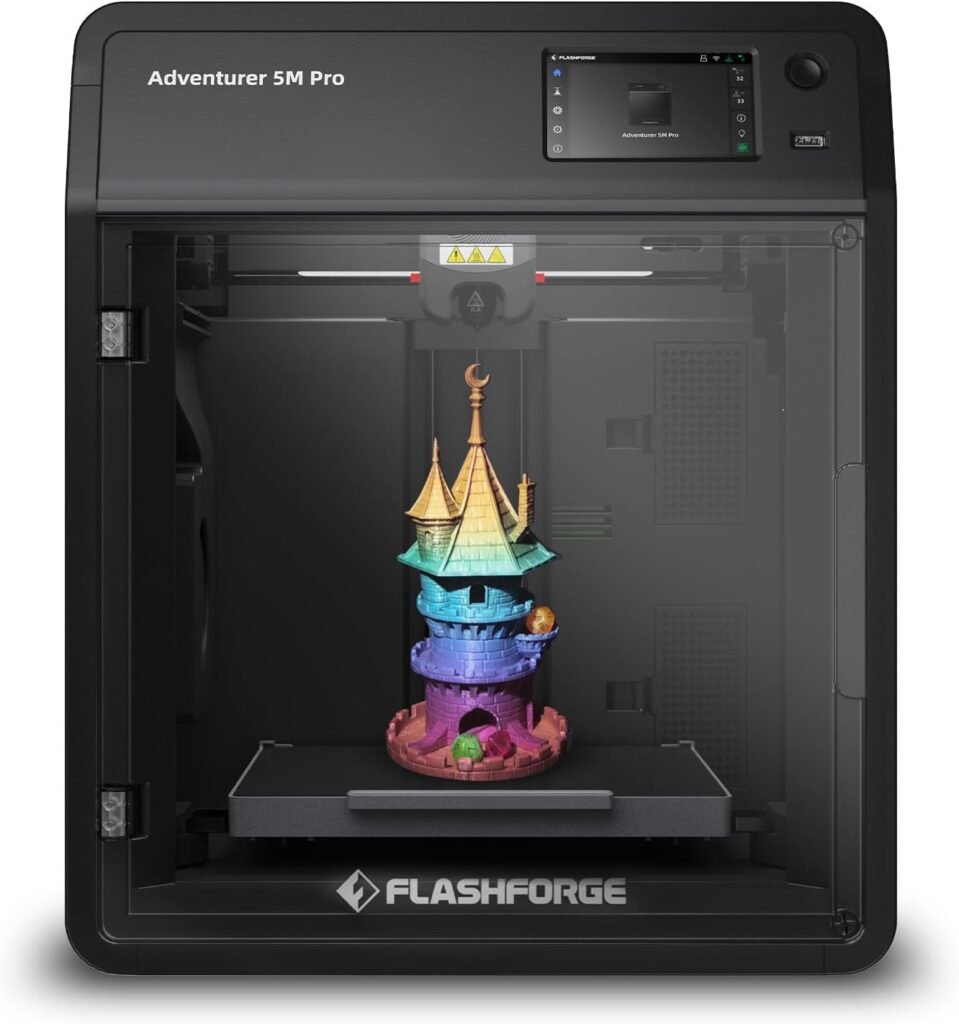

3D printing has become a revolutionary technology, making it possible to create models, tools, and prototypes at home or in professional workshops. A 3D printer allows you to turn digital designs into physical objects using plastic, resin, or other materials. Choosing the right 3D printer is important for quality, ease of use, and durability.
Disclosure: This article contains affiliate links. As an Amazon Associate, we may earn commissions from qualifying purchases at no extra cost to you.
What Is a 3D Printer
A 3D printer is a machine that builds objects layer by layer based on digital designs. Unlike traditional manufacturing, 3D printers can produce complex shapes quickly and accurately. They are used for prototyping, home projects, educational purposes, and small-scale manufacturing.
How a 3D Printer Works
3D printers work by reading a digital file and depositing material in layers to form a 3D object. Most 3D printers use plastic filament (FDM technology) or liquid resin (SLA technology). The printer follows the design precisely, building the object layer by layer until complete. Advanced printers also offer multi-material printing and higher resolution.
Benefits of a 3D Printer
3D printers offer many advantages:
First, they allow rapid prototyping and design testing.
Second, 3D printers save time and materials compared to traditional manufacturing.
Third, they are versatile, capable of producing models, tools, jewelry, and household items.
Fourth, 3D printers encourage creativity and learning for students, hobbyists, and professionals.
Types of 3D Printers
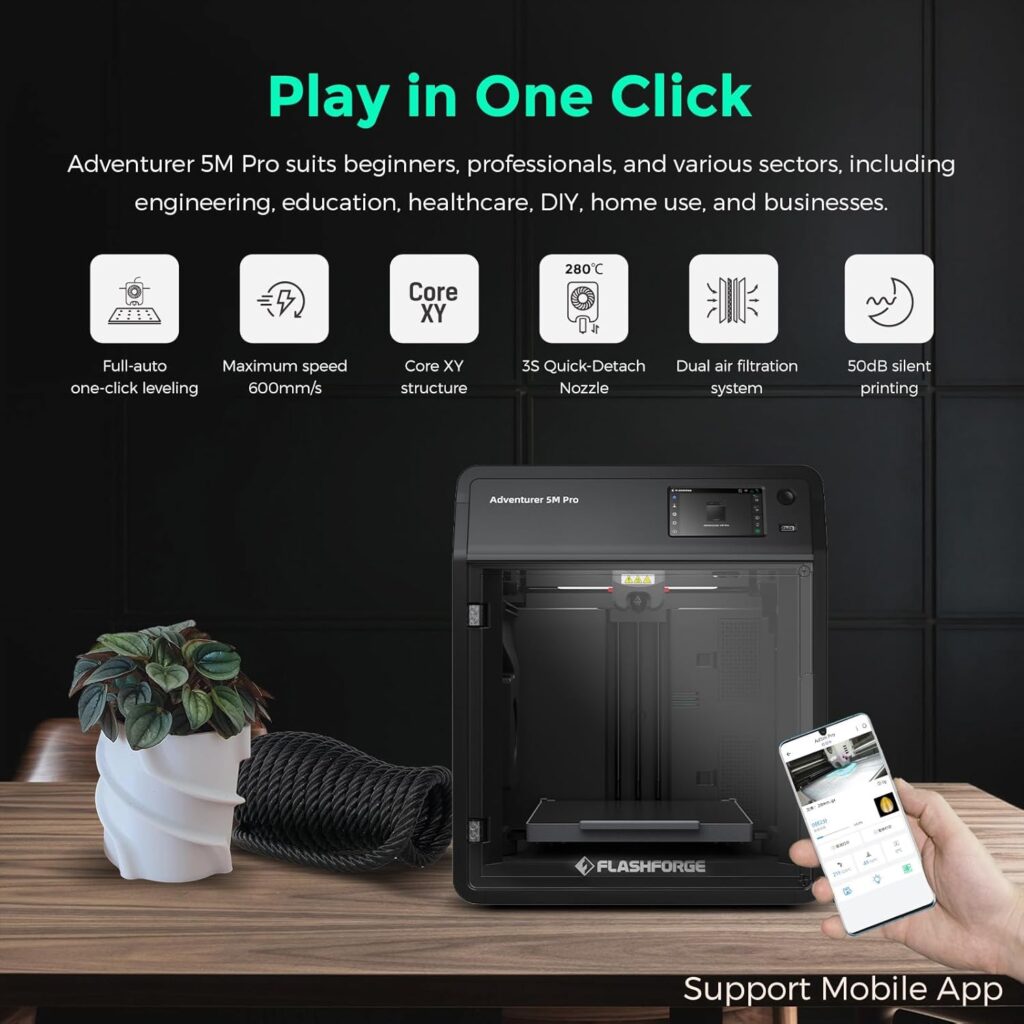
There are several types of 3D printers based on technology and material.
FDM 3D Printers
Fused Deposition Modeling (FDM) printers use plastic filament to build objects layer by layer. They are affordable, easy to use, and suitable for beginners.
SLA 3D Printers
Stereolithography (SLA) printers use liquid resin cured with a UV laser. They offer higher precision and smooth finishes, ideal for professional models and miniatures.
DLP 3D Printers
Digital Light Processing (DLP) printers also use resin but project an entire layer at once, making them faster than SLA printers.
SLS 3D Printers
Selective Laser Sintering (SLS) printers use powdered materials and a laser to fuse layers. These are used in industrial and professional applications for durable parts.
How to Choose the Best 3D Printer
Before buying a 3D printer, consider:
Check build volume to match the size of objects you want to print.
Look at print resolution for detail and finish quality.
Consider the material compatibility and types of filament or resin.
Check ease of use, software support, and customer reviews.
3D Printers for Home and Professional Use
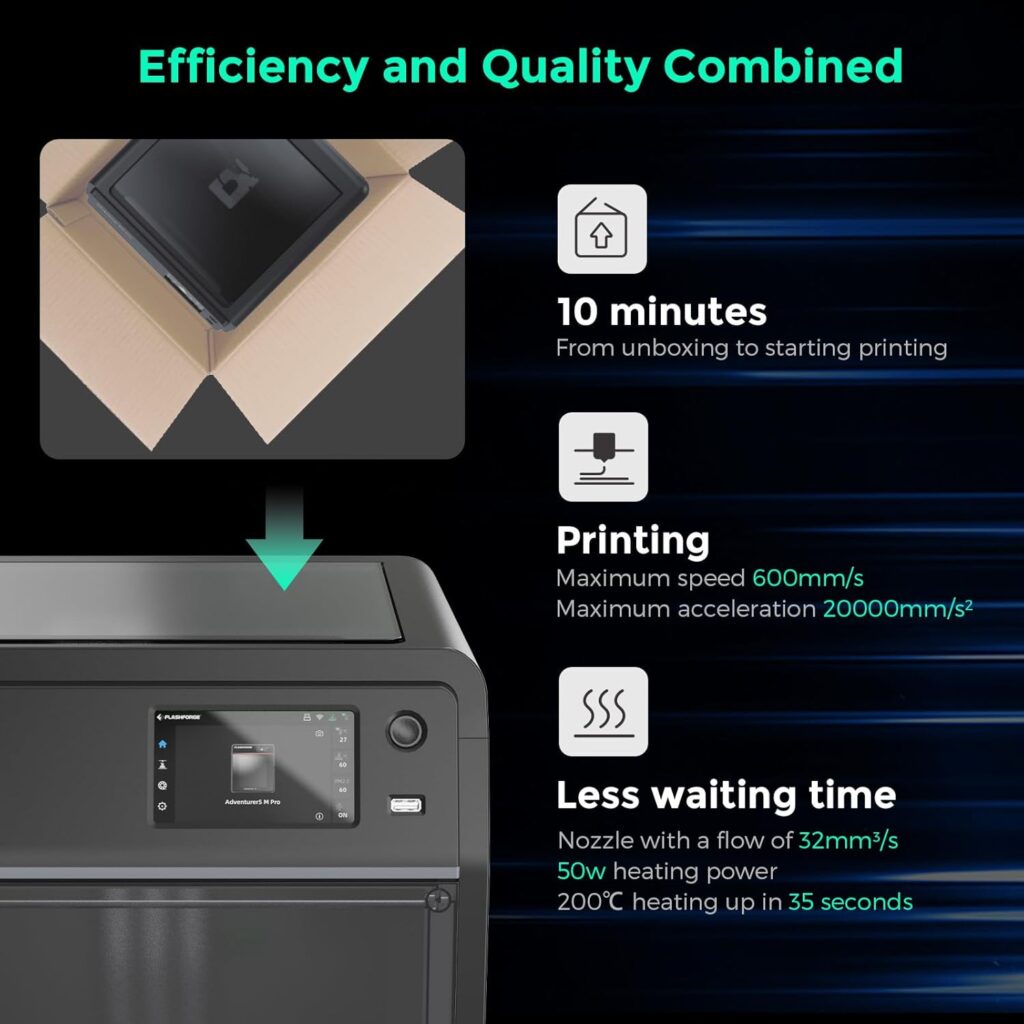
For beginners and hobbyists, FDM 3D printers are affordable and user-friendly. For professional or high-detail projects, SLA or DLP printers provide better precision and finish. Industrial users can choose SLS printers for durable and functional parts.
Safety Tips for 3D Printers
Always use the printer in a well-ventilated area. Handle hot parts and UV resin carefully. Follow manufacturer instructions for setup, cleaning, and maintenance. Proper usage ensures safety and longevity of the printer.
Maintenance Tips for 3D Printers
Clean the build plate and nozzle regularly. Replace worn filament or resin. Calibrate the printer frequently for accurate printing. Store filaments and resin in proper conditions to avoid moisture damage. Proper maintenance ensures consistent print quality and longer printer life.
Conclusion
3D printers are versatile, creative, and practical tools for home, educational, or professional projects. They allow rapid prototyping, model creation, and small-scale manufacturing. This guide explained 3D printer types, benefits, buying tips, safety, and maintenance in simple English. 3D printers are also a strong Amazon affiliate product because of increasing popularity. With clear guidance and honest reviews, you can help users choose the best 3D printer and increase your affiliate earnings.